
Imagine you are crossing the street when everything suddenly goes dark. When you regain consciousness, you are lying in the road, in pain, and unsure of what just happened. The only clue is a pair of red taillights disappearing into the night. There is no driver, no help, and no one calling 911. Unfortunately, scenes like this are becoming increasingly common across the country.
Recent data reveals a growing crisis on America’s roads, one that leaves injured people alone, without help, and too often without accountability. Hit and run accidents have reached unprecedented levels, creating a severe safety concern for pedestrians, cyclists, and other drivers. Understanding the scope of this problem and knowing how to respond is essential for anyone who uses the roadways today.
The Alarming Rise in Hit and Run Accidents
The statistics surrounding hit and run accidents are both staggering and heartbreaking. According to a landmark study published by the AAA Foundation for Traffic Safety in March 2026, 15% of all police-reported crashes involved a driver who fled the scene — the highest percentage recorded in any recent year. The data paints a grim picture of a worsening epidemic that demands immediate attention from policymakers, law enforcement, and the public.
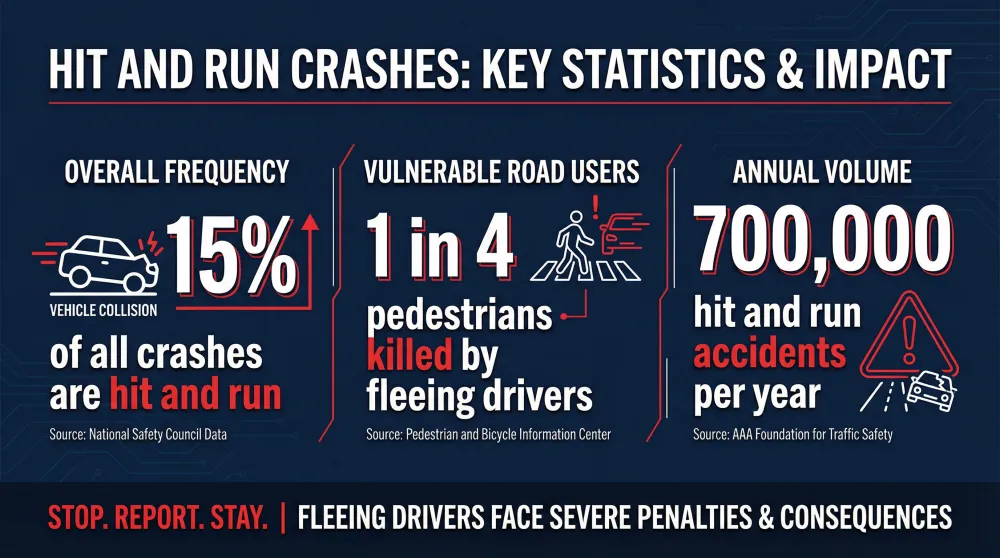
Pedestrians and cyclists are especially vulnerable to these types of collisions. In fact, one in four pedestrians killed in crashes were hit by a driver who fled the scene. Nearly as many cyclists suffered the same tragic fate. These incidents frequently occur in darkness during late-night or early morning hours, when visibility is low and there may be no one nearby to call for help. The isolation of these victims only compounds the tragedy, as immediate medical intervention is often critical for survival.
Roadside service providers who work just feet from moving traffic are also at significant risk. Tragically, 15 roadside workers were struck and killed last year, and at least six of those fatalities were caused by hit and run drivers. Every time a roadside technician steps out of their vehicle, they are putting themselves in harm’s way to help someone else. When a driver flees the scene, it puts these essential workers at even greater risk.
Why Do Drivers Flee the Scene
Understanding why drivers choose to flee after an accident is a complex issue. While the reasons vary, the outcomes are often severe or fatal. Among known hit and run drivers in fatal crashes, 40% did not have a valid driver’s license. Furthermore, more than half were driving vehicles not registered in their name. These statistics suggest that a significant portion of fleeing drivers are attempting to avoid legal consequences related to their driving status or vehicle ownership. The fear of being caught without a license, driving an unregistered vehicle, or facing other legal troubles often overrides the moral obligation to stay and help the victim.
The majority of identified hit and run drivers were young, male, and crashed within a short distance of their homes. This demographic profile indicates that panic and poor decision-making may play a role in the immediate aftermath of a collision. However, research also suggests that drivers are less likely to flee when they believe they will be caught. This points to the potential impact of traffic cameras and public notification systems in deterring this behavior.
Essential Steps to Take After a Hit and Run
If you find yourself the victim of a hit and run accident, knowing what to do can significantly impact your physical recovery and legal rights. The moments following a crash are chaotic, but taking the right steps is crucial. For a comprehensive overview of post-accident procedures, you can review our guide on What to Do Legally After a Car Accident: A Step-by-Step Guide.
First and foremost, prioritize your safety. If your vehicle can still be driven, pull over to a safe place to avoid a secondary collision. If your vehicle cannot be moved, turn on your hazard lights to alert other drivers. Once you are in a safe location, check yourself and your passengers for injuries. If anyone is injured, call 911 immediately and request emergency medical services.
Next, you must call the police. In many jurisdictions, you are legally required to report an accident that results in injuries, fatalities, or extensive property damage. Calling the police initiates an investigation to find the fleeing driver. The responding officer will take down your information and any details you can provide about the other vehicle, such as the make, model, color, or license plate number. Request a copy of the police report, as it will be vital for your insurance claim.
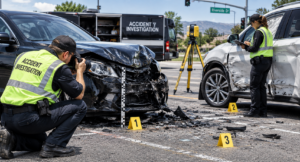
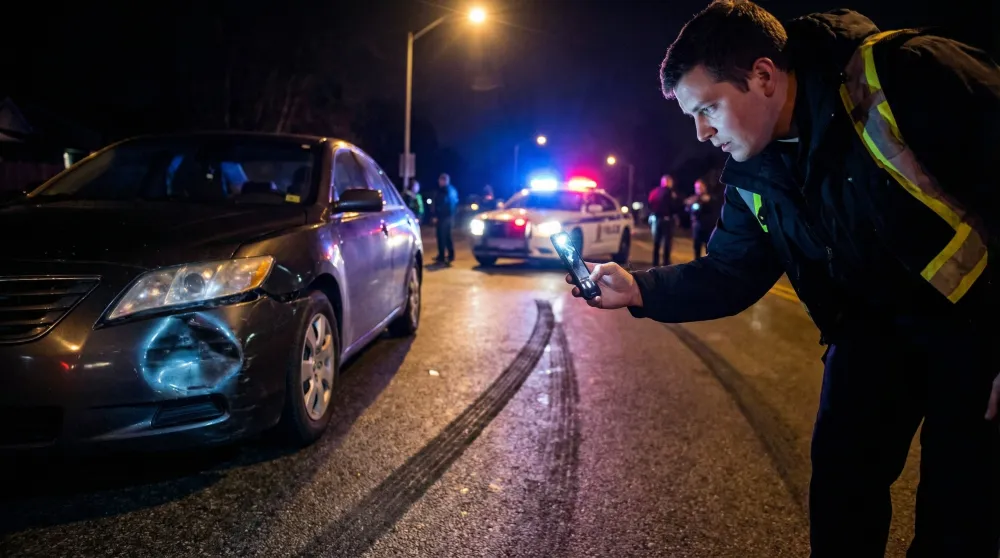
Gathering evidence at the scene is also critical. Take photos of the accident scene, including the final resting position of your car, vehicle debris, your injuries, and any nearby intersections or landmarks. If there were any witnesses, collect their names and contact information. Their testimony could be invaluable later on. Finally, consult with a qualified attorney to discuss your legal options and ensure your rights are protected. Understanding Fault and Liability in Car Accidents is essential when pursuing compensation.
Legal Consequences for Fleeing Drivers
The legal repercussions for leaving the scene of an accident are severe and vary by state. However, the general consensus across jurisdictions is that hit and run offenses are treated as serious crimes. The severity of the penalty typically depends on the extent of the damage and whether injuries or fatalities occurred.
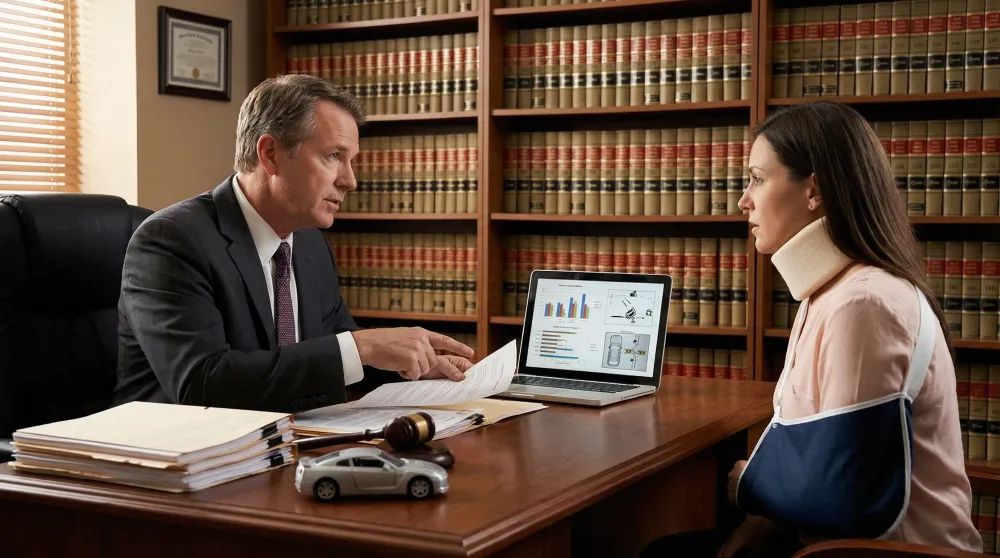
In cases involving only property damage, a hit and run is often classified as a misdemeanor. According to Justia’s Criminal Law Center, this can result in fines, probation, or up to a year in jail. However, when an accident results in injury or death, the charges are almost always elevated to a felony. Felony hit and run convictions carry significant prison sentences of up to 20 years, hefty fines, and the long-term consequences of a felony record.
Beyond criminal penalties, fleeing drivers also face severe civil liability. Victims of hit and run accidents have the right to pursue compensation for medical expenses, lost wages, pain and suffering, and property damage. If the fleeing driver is identified, they can be held personally responsible for these costs. In some cases, victims may also be awarded punitive damages, which are designed to punish the driver for their egregious conduct.
Preventive Measures and Solutions
Addressing the hit and run epidemic requires a multi-pronged approach involving technology, infrastructure, and enforcement. The AAA Foundation’s research identifies several practical solutions that can save lives and reduce the frequency of these incidents.
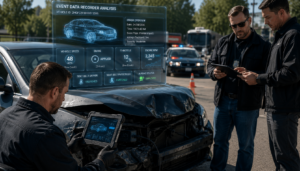
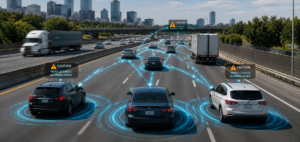
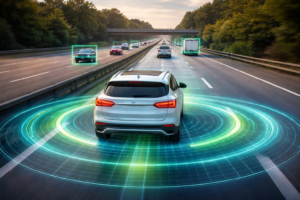
One key solution is the implementation of automatic crash notifications through vehicles and smartphones. These systems can automatically alert emergency services when a crash occurs, ensuring that help arrives quickly even if the driver flees or the victim is incapacitated. Additionally, safer road designs that protect pedestrians and cyclists are essential. This includes better lighting, dedicated bike lanes, and pedestrian crossing islands.
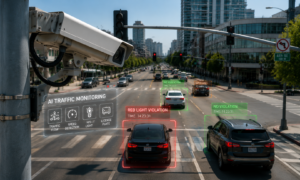
Accountability measures are also crucial in deterring hit and run behavior. Clear legal consequences and consistent enforcement make fleeing the scene less appealing. The use of traffic cameras and public notification systems, such as “Yellow Alerts,” can significantly increase the likelihood of identifying and apprehending fleeing drivers. When drivers know they are being watched and that the public is actively looking for them, they are more likely to stay at the scene.
Furthermore, adopting safe driving habits can help prevent accidents from occurring in the first place. For more information on how to stay safe on the road, check out our article on the Top 10 Driving Habits That Can Prevent Car Accidents. Regular vehicle upkeep is also vital, as discussed in our post on The Role of Car Maintenance in Road Safety.
Support for Hit and Run Victims
The aftermath of a hit and run accident can be overwhelming, leaving victims with physical injuries, emotional trauma, and financial stress. Fortunately, there are resources available to help victims navigate this difficult time. Many states offer Crime Victims’ Compensation programs, which provide financial assistance to victims of violent crimes, including hit and run accidents. These programs can help cover medical bills, counseling, and lost wages.
Additionally, organizations like Mothers Against Drunk Driving (MADD ) offer victim assistance services, providing emotional support and guidance through the legal process. Local survivor groups and community networks can also offer a sense of connection and shared experience. It is important for victims to know that they are not alone and that help is available.
Hit and run accidents are a growing crisis that demands our collective attention. By understanding the statistics, knowing how to respond, and advocating for preventive measures, we can work together to make our roads safer for everyone. If you or a loved one has been affected by a hit and run, do not hesitate to seek legal counsel and utilize the support resources available to you.