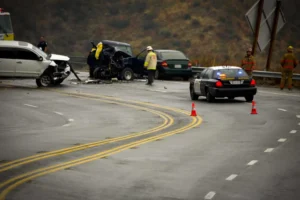
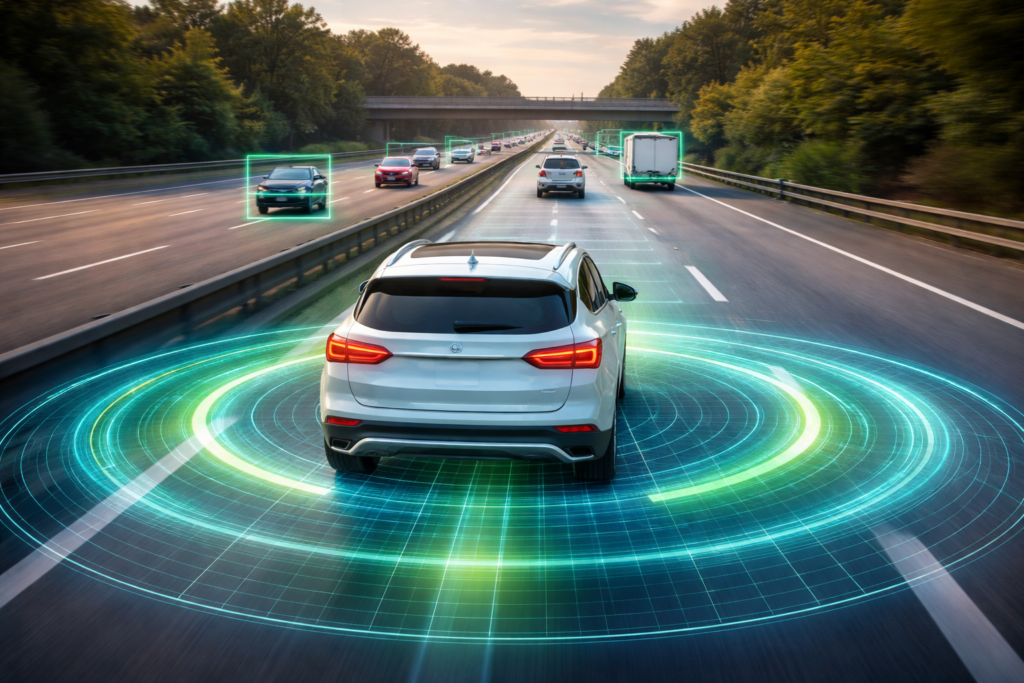
In 2026, semi‑autonomous driving systems are becoming more common on U.S. roads. These technologies—like lane‑keeping assist, adaptive cruise control, and “hands‑free” features—promise to reduce crashes and save lives. However, recent investigations highlight both safety benefits and serious risks when drivers misunderstand how this technology works.
What Are Semi‑Autonomous Driving Systems?
Semi‑autonomous systems are advanced driver assistance systems (ADAS) that help control braking, steering, and acceleration under specific conditions. They can reduce driver workload and prevent some crashes. Examples include automatic emergency braking, lane departure warning, and adaptive cruise control.
These systems are not fully autonomous. That means drivers must stay alert and be ready to take control at all times. The Society of Automotive Engineers (SAE) classifies driving automation from Level 0 (no automation) to Level 5 (full autonomy), and most consumer vehicles today operate at SAE Level 2 or Level 2+—assistance, not full self‑driving.
Safety Benefits: Fewer Crashes and Fatalities
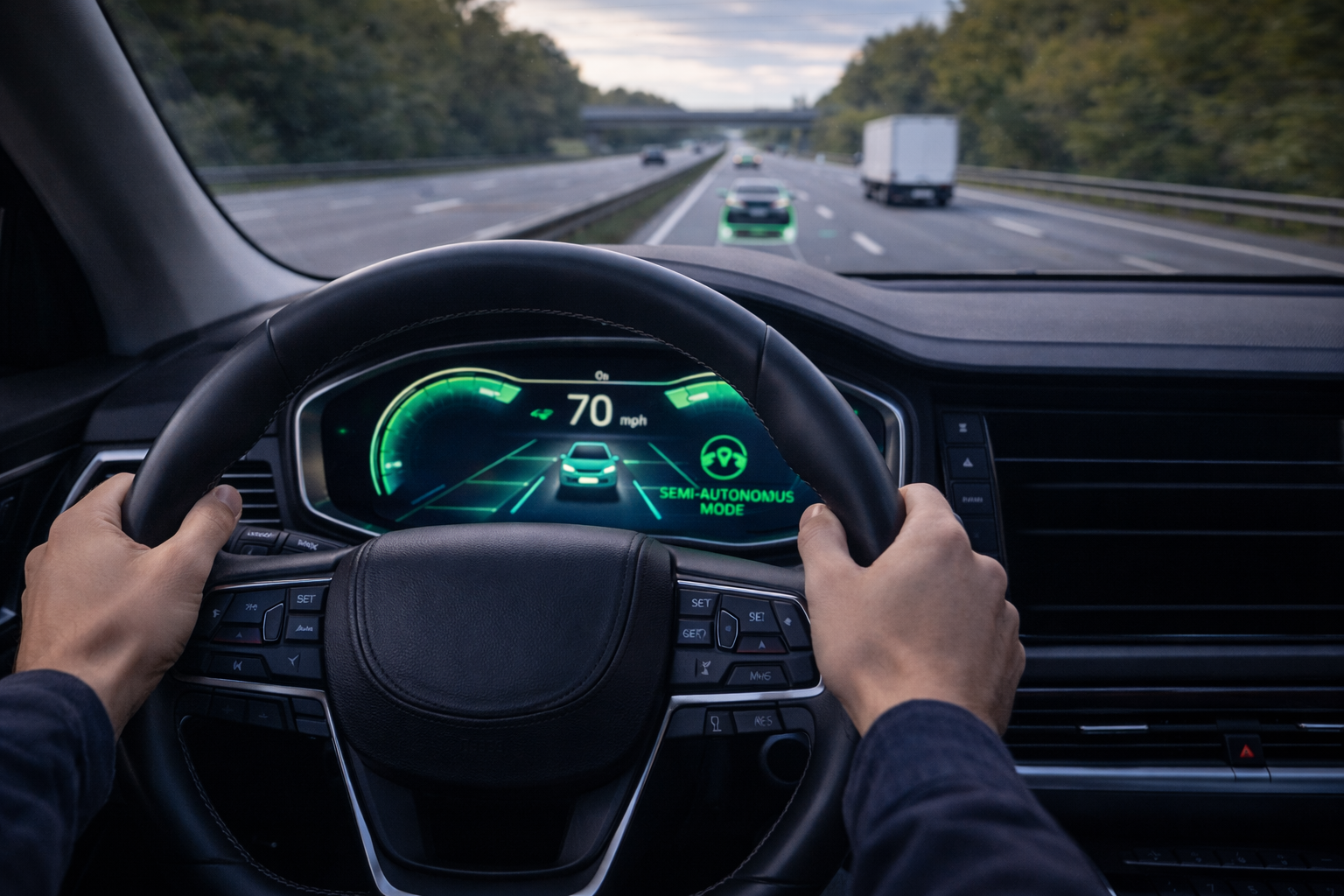
Multiple sources show that crash avoidance technologies have started to reduce crashes and injuries. Data from 2025 indicated a decline in traffic deaths—including pedestrian fatalities—as automatic braking and lane‑departure systems became more common. However, the U.S. still has one of the highest roadway fatality rates among wealthy nations.
Front crash prevention systems that automatically brake or warn drivers about imminent collisions have reduced rear‑end crashes and serious injuries in many situations. These systems can be part of a holistic safety strategy when combined with safe driving habits.
If you’re interested in learning more about common human behaviors that increase crash risk, check out this post on Why Distracted Driving Has Gotten Worse Despite Smartphone Bans—a growing problem that technology alone cannot fix.
Investigations Reveal Risks When Drivers Misuse Technology
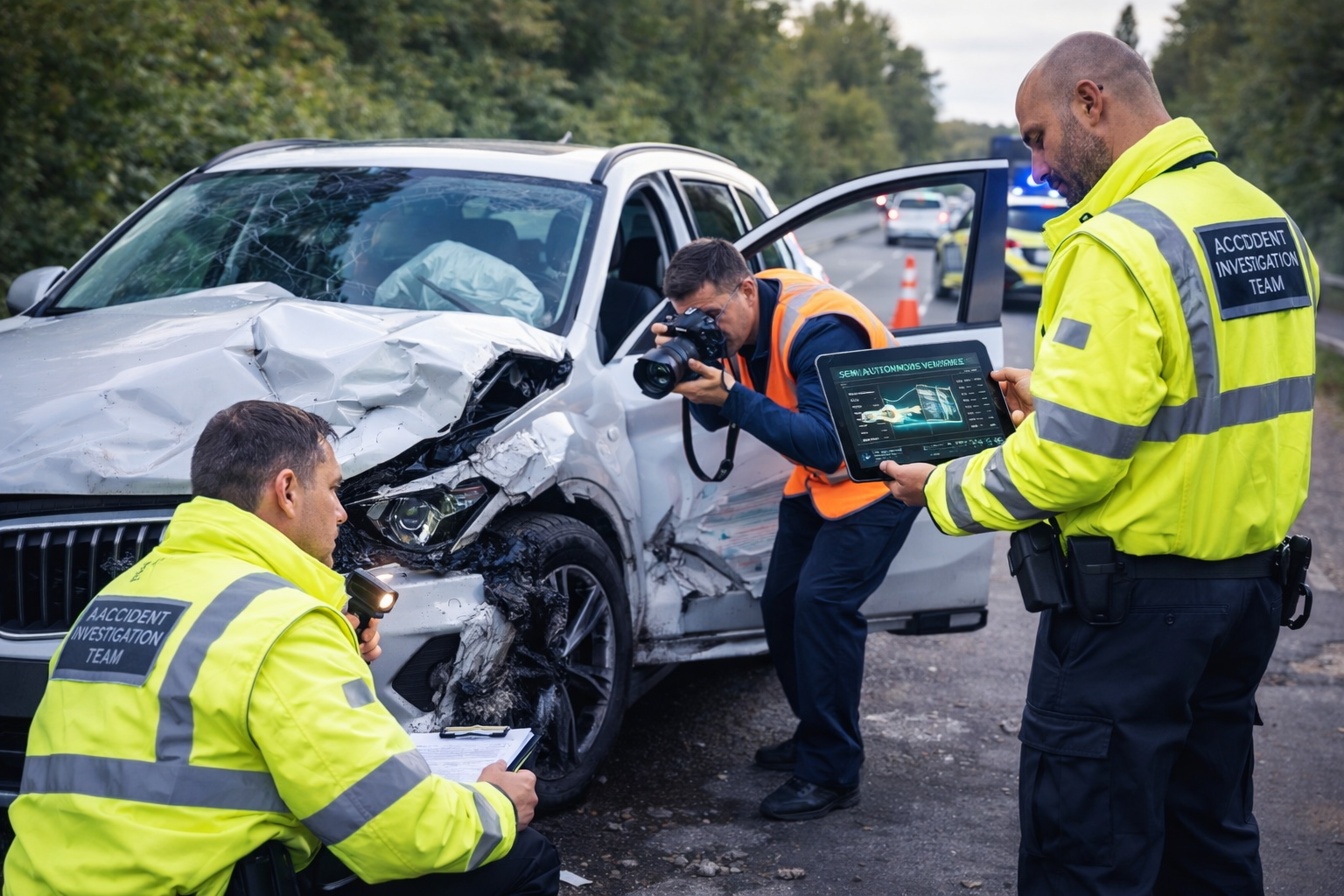
While safety technologies can prevent some crashes, investigations show danger when drivers over‑rely on semi‑autonomous features. The National Transportation Safety Board (NTSB) recently examined fatal crashes involving Ford’s BlueCruise hands‑free system. In these cases, drivers assumed the system could handle more than it was designed to do, resulting in collisions with stationary objects and other vehicles.
The NTSB called the regulatory environment surrounding Level 2 systems a “Wild West” due to inconsistent standards and limited oversight. Investigators found that driver monitoring systems—intended to ensure attention—often failed to detect distraction or disengagement.
These crashes underline an important point: semi‑autonomous systems don’t replace human responsibility. Instead, they augment driver control and can fail if misused or misunderstood.
Key Safety Challenges with Semi‑Autonomous Driving
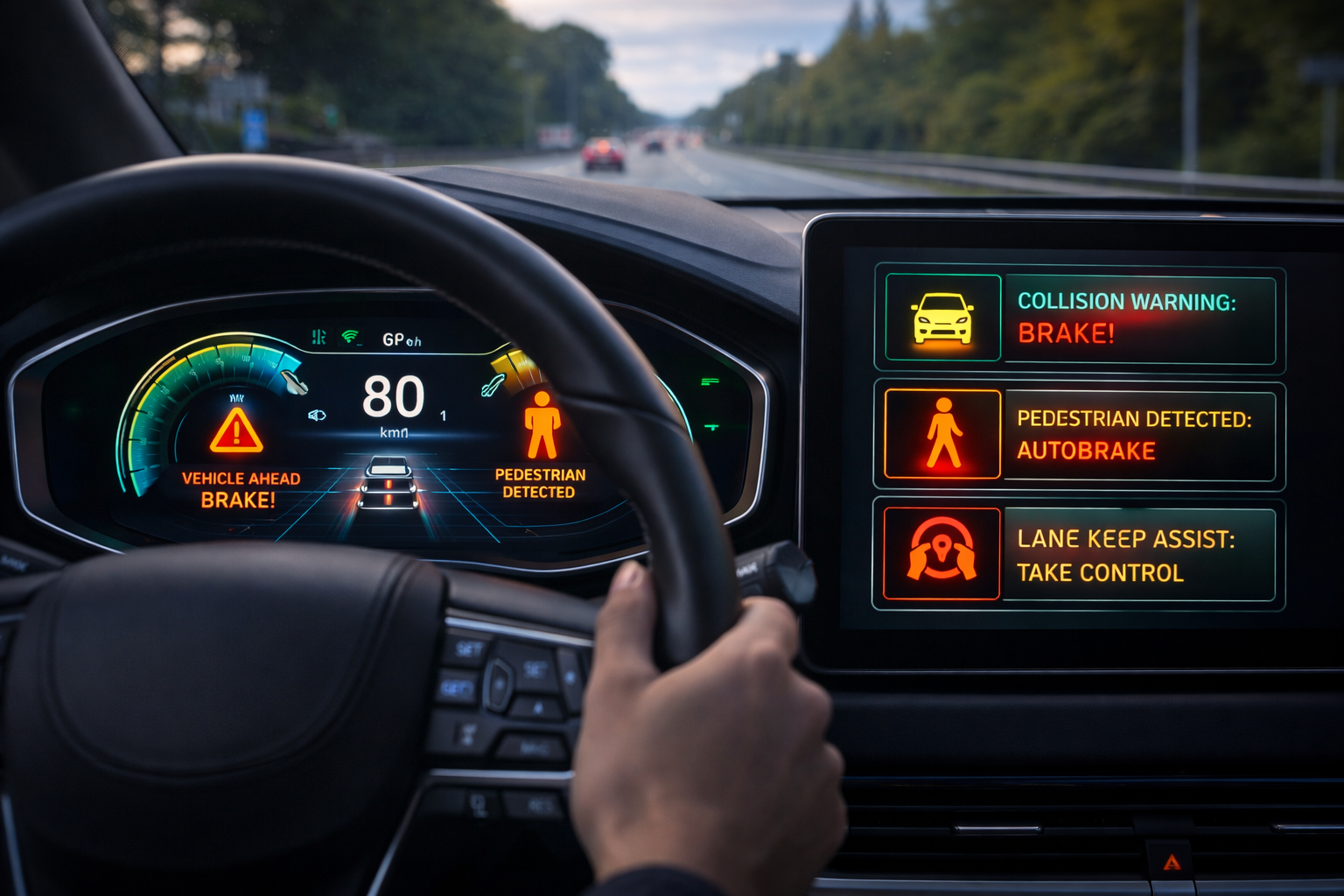
Here are major areas where safety challenges persist:
- Driver Over‑Reliance: Some drivers assume hands‑free means responsibility‑free, which leads to inattention. In reality, drivers must monitor the system and road conditions continuously.
- System Limitations: ADAS features have defined operational domains. They may not function well in poor weather, low light, or complex urban environments.
- Regulatory Gaps: Current regulations don’t require consistent safety performance standards for semi‑autonomous systems, leading to wide variations between manufacturers.
- Technology Miscommunication: Some systems may give drivers undue confidence, suggesting capabilities beyond their design. Education and clear communication are vital.
Self‑Driving Cars vs. Semi‑Autonomous Systems
Full self‑driving vehicles (Level 4 and Level 5) remain in testing phases or limited deployment. Industry experts now believe widespread adoption of fully autonomous vehicles may take longer than previously anticipated, with major commercial use for robo‑taxis or automated freight starting closer to the early 2030s.
Even fully autonomous vehicles show complex safety challenges, especially in unpredictable driving environments and situations requiring human judgment. Ongoing research aims to improve machine learning, sensor fusion, and decision‑making systems to address these gaps.
How Drivers Can Stay Safe With Semi‑Autonomous Features
Here are practical steps every driver should follow:
- Understand Your Vehicle’s Capabilities: Read the owner’s manual and know exactly what your system can and cannot do.
- Keep Your Hands on the Wheel: Even in “hands‑free” modes, maintain physical readiness to steer or brake.
- Stay Alert: Monitor the road constantly and avoid distractions like phones or infotainment systems.
- Update Software: Manufacturers often release updates that improve safety, so keep your vehicle’s software current.
- Educate Passengers and Family: Everyone in the vehicle should understand that the driver holds ultimate responsibility.
External Perspectives on Safety Technology
For broader context on how technology and safety intersect in modern driving:
- The Center for Auto Safety – Ongoing news and research on auto safety policies.
- NHTSA Automated Vehicle Safety – U.S. government safety standards and guidance.
- IIHS ADAS Research – Insurance Institute data on driver assistance system performance.
- McKinsey on Autonomous Vehicles – Industry trends and expert insights.
- Consumer Reports on ADAS Safety – Practical breakdown of safety tech for drivers.
Conclusion: Balance Innovation With Caution
Semi‑autonomous driving systems represent a major technological shift with the potential to reduce crashes and improve road safety. Yet, drivers must approach these systems with caution, understanding their limitations and accepting their own responsibility for safety. The latest findings—from crash investigations to regulatory calls for stronger oversight—show that technology alone cannot solve all road safety challenges.
Staying informed, practicing safe driving habits, and using semi‑autonomous features as intended can make your road experience safer. As vehicle technology evolves, continuous education and responsible use will remain essential for all drivers.