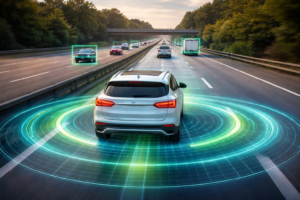
AI-powered dashcams are quickly becoming one of the most important safety tools for drivers in 2026. These smart devices go beyond simple video recording. They actively monitor driving behavior, detect potential collisions, and automatically save critical footage during accidents. As crash rates remain a concern, AI dashcams are shaping how incidents are documented and understood.
What Are AI Dashcams?
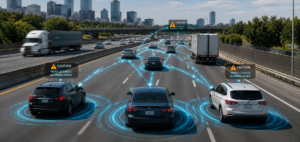
AI dashcams are advanced cameras equipped with artificial intelligence that can analyze road conditions in real time. Unlike traditional dashcams, these systems can detect hazards such as sudden braking, lane drifting, and nearby vehicles. Some models also include driver monitoring features that track fatigue or distraction.
Organizations like the National Highway Traffic Safety Administration emphasize the role of technology in reducing crashes. AI dashcams support this by providing both prevention alerts and detailed evidence after incidents.
How AI Dashcams Detect Crashes
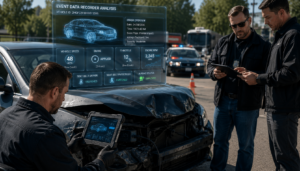
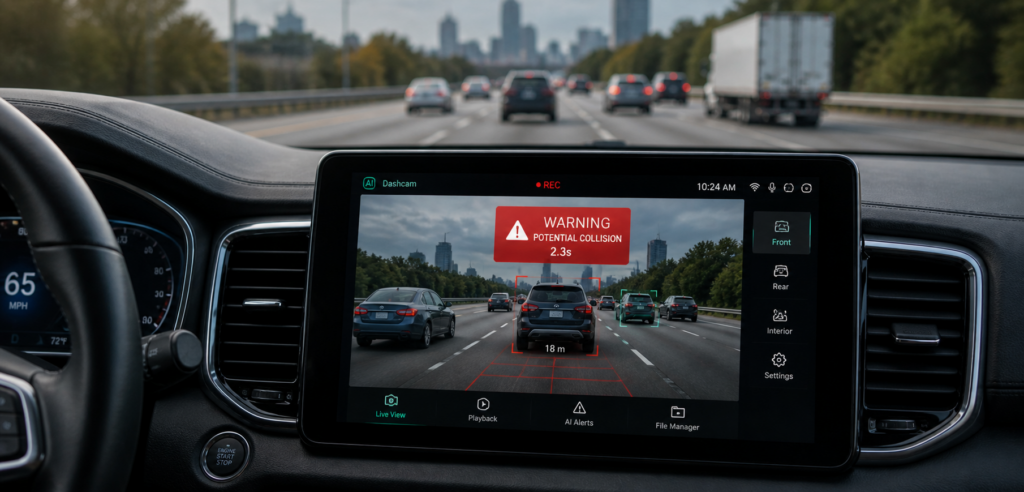
Modern AI dashcams use sensors such as accelerometers, GPS tracking, and computer vision to identify collisions. When a crash occurs, the system automatically locks the footage and may upload it to cloud storage. This prevents loss of important data and allows quick access when needed.
Some advanced systems also recognize near-miss events. These recordings can help drivers understand risky behaviors before a serious accident happens.
Why AI Dashcams Are Trending in 2026
Several factors are driving the popularity of AI dashcams:
- Rising Insurance Use: Many insurers now consider dashcam footage when evaluating claims.
- Increased Road Risks: Traffic congestion and distracted driving continue to contribute to accidents.
- Affordable Technology: AI-powered cameras are becoming more accessible to everyday drivers.
- Legal Awareness: Drivers are more aware of the importance of having clear evidence after a crash.
For example, distracted driving remains a growing concern. You can read more about it in this related post:
Distracted Driving Trends in Recent Years.
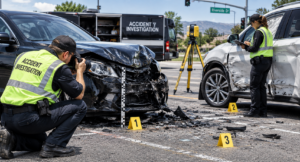
Benefits of AI Dashcams After an Accident
AI dashcams provide several advantages when accidents occur:
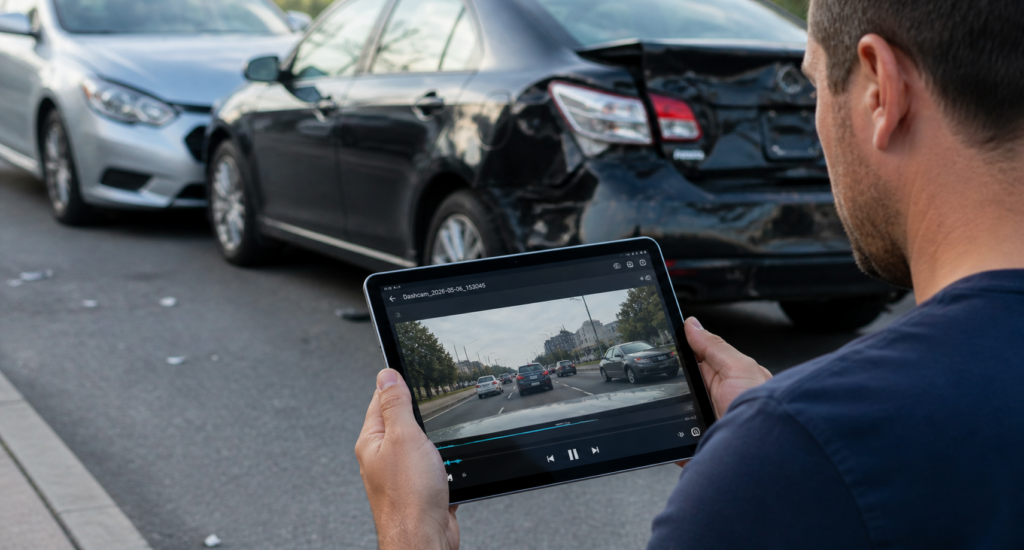
- Clear Evidence: Video footage captures exactly what happened before, during, and after a crash.
- Faster Claims Processing: Insurers can review footage quickly.
- Dispute Reduction: Accurate recordings help clarify fault.
- Driver Protection: False claims can be challenged using recorded evidence.
According to the Insurance Institute for Highway Safety, better documentation can support safer driving behavior and accountability.
Limitations Drivers Should Know
While AI dashcams offer many benefits, they are not perfect:
- Privacy Concerns: Continuous recording may raise legal questions depending on location.
- Storage Limits: Footage may overwrite if not properly saved.
- False Alerts: Some systems may misinterpret situations.
- Dependence on Setup: Incorrect positioning can reduce effectiveness.
The Consumer Reports notes that proper installation and understanding of features are essential for reliability.
How AI Dashcams Improve Driving Behavior
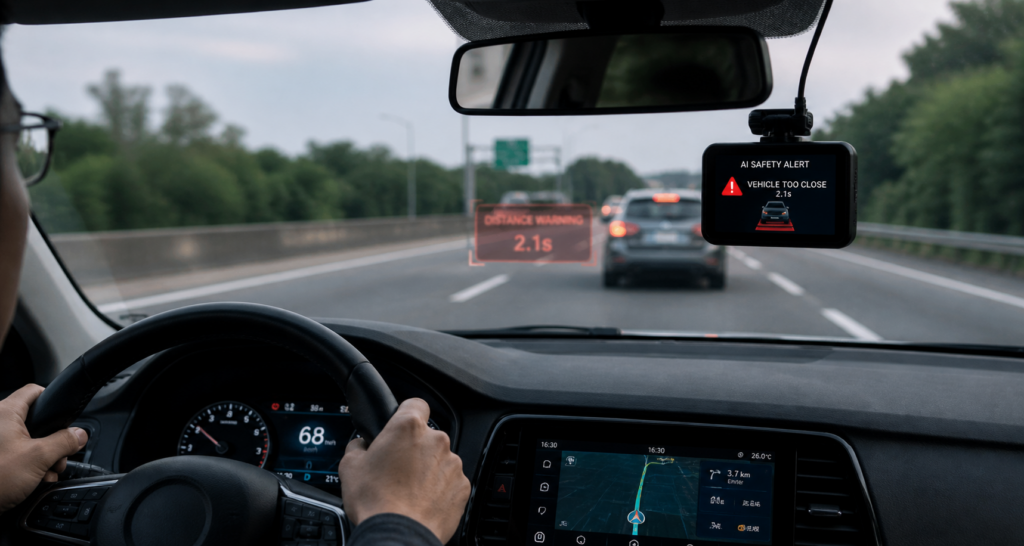
Many AI dashcams provide real-time feedback. Drivers may receive alerts for tailgating, sudden lane changes, or distracted driving. Over time, this feedback can help build safer habits.
Fleet companies already use this technology to monitor driver performance. Individual drivers are now adopting similar tools to improve safety on everyday trips.
Future of AI Dashcams
The future of AI dashcams looks promising. Upcoming developments may include:
- Integration with autonomous driving systems
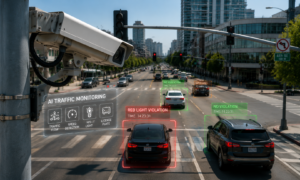
- Real-time communication with traffic infrastructure
- Enhanced night vision and weather detection
- More accurate predictive crash alerts
Industry insights from McKinsey Automotive Research suggest that AI will continue to play a major role in road safety innovation.
External Resources for Road Safety
Conclusion
AI dashcams are transforming how drivers approach safety and accident documentation. These devices provide real-time alerts, reliable evidence, and insights into driving behavior. While they are not a replacement for careful driving, they serve as a powerful tool in reducing risks and improving accountability on the road.
As technology evolves, drivers who stay informed and use these tools responsibly may experience safer and more confident driving experiences.