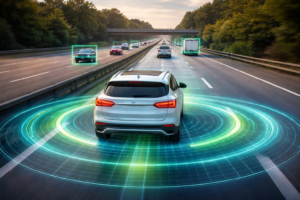
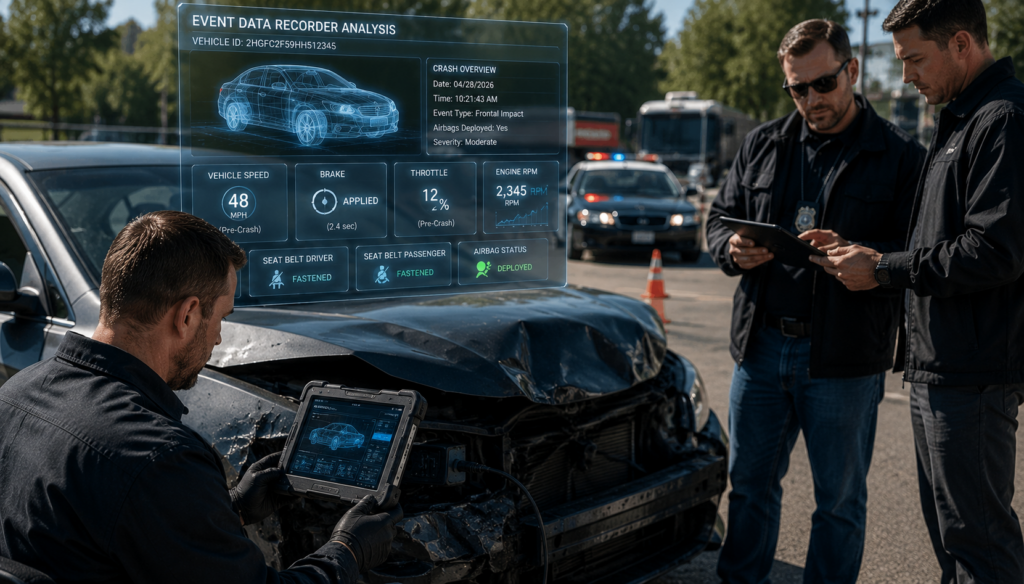
Modern vehicles are becoming more advanced every year, and many cars now contain technology that records important information before and during a crash. Event Data Recorders (EDRs), sometimes called vehicle black boxes, are changing how car accidents are investigated by providing detailed information about vehicle activity.
In 2026, accident investigators, insurance companies, and legal professionals increasingly rely on electronic crash data to better understand what happened before a collision. This technology can provide information about speed, braking, seat belt use, airbag deployment, and other vehicle functions.
For drivers interested in learning more about modern crash technology, our article on AI dashcams and accident evidence explains another technology changing how crashes are documented.
What Is an Event Data Recorder?
An Event Data Recorder is an electronic system installed in many modern vehicles that captures specific information related to a crash event. The device works similarly to an airplane flight recorder by saving important vehicle data shortly before and during a collision.
According to the National Highway Traffic Safety Administration (NHTSA), many passenger vehicles are equipped with EDR systems that collect crash-related information to improve vehicle safety research.
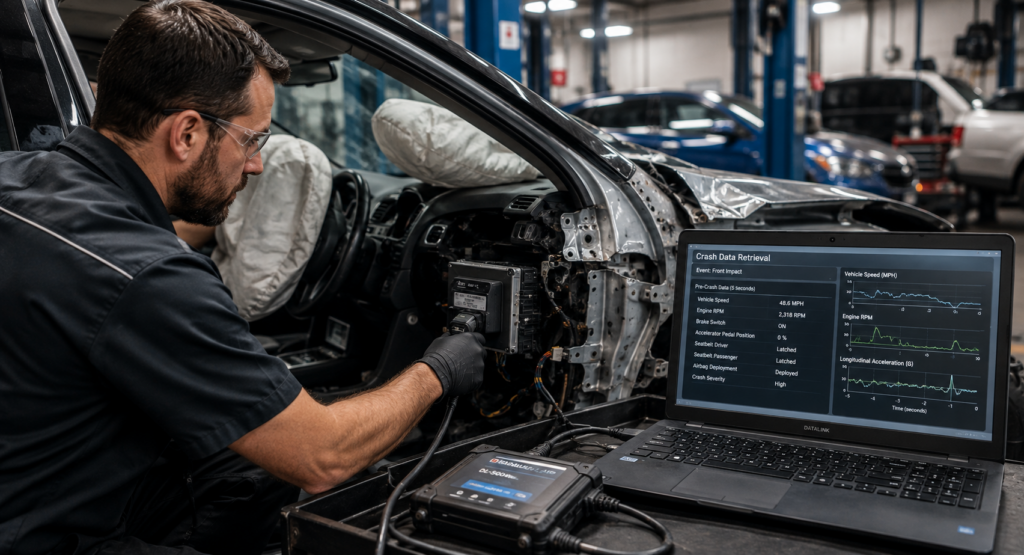
EDRs are usually connected to a vehicle’s airbag control module. When a serious impact occurs, the system may store information about the vehicle’s operation leading up to the crash.
What Information Can an Event Data Recorder Capture?
The information collected by an EDR depends on the vehicle manufacturer and system design. Common data points may include:
- Vehicle speed before impact
- Brake application
- Throttle position
- Seat belt usage
- Airbag deployment timing
- Changes in vehicle acceleration
- Crash force information
This information can help investigators create a clearer picture of how a collision occurred.
How EDR Data Helps Accident Investigations
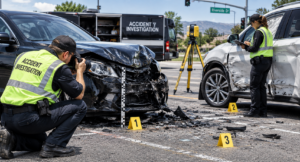
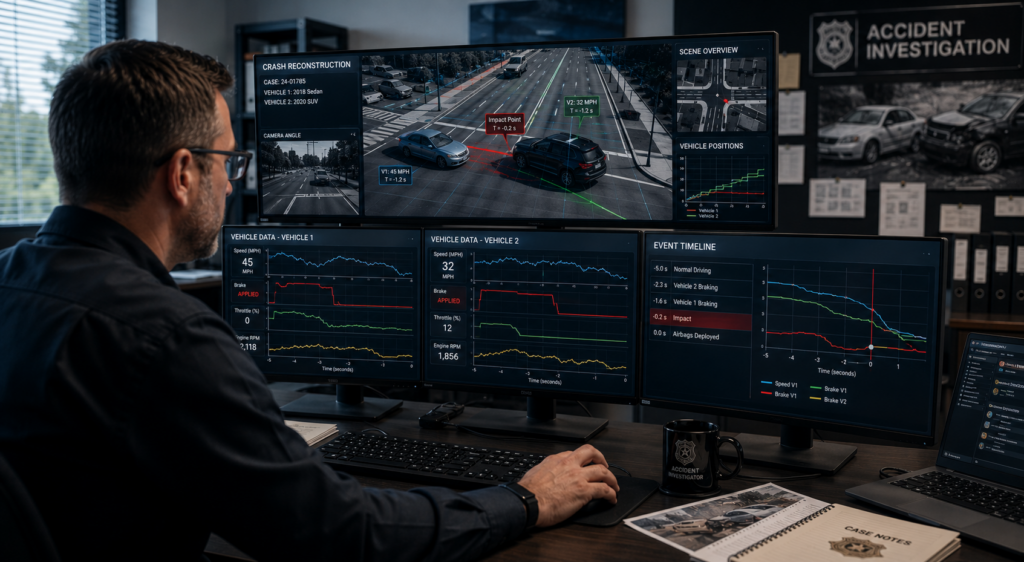
Car accident investigations often involve reviewing multiple sources of evidence. Police reports, witness statements, photographs, and physical damage are commonly considered when determining what happened.
EDR data provides another source of information by showing what the vehicle was doing moments before impact.
For example, investigators may use EDR information to determine whether a driver applied the brakes before a collision or whether a vehicle was traveling above a posted speed limit.
The NHTSA research database uses vehicle data to study crash patterns and improve transportation safety.
Why Event Data Recorders Matter in Car Accident Claims
When drivers disagree about how an accident occurred, electronic vehicle data may become an important piece of evidence.
Insurance companies may review available vehicle information when evaluating accident claims. EDR data can help provide additional details about vehicle movement and driver actions.
However, EDR information is only one part of an accident investigation. Investigators may also consider road conditions, traffic laws, vehicle damage, and other available evidence.
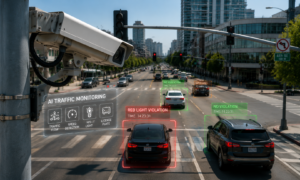
You can also learn more about accident investigations in our article about “How AI Traffic Enforcement Cameras Are Changing Car Accident Liability”.
How Electric Vehicles Are Changing Crash Data Collection
The growth of electric vehicles is creating new opportunities and challenges for accident data collection. Electric vehicles rely heavily on electronic systems that monitor battery performance, safety features, and vehicle operation.
As electric vehicles become more common, accident investigators may analyze additional information related to battery systems, driver assistance technology, and vehicle software.
The Insurance Institute for Highway Safety continues studying how new vehicle technologies affect crash safety and injury risks.
Challenges With Using EDR Information
Although EDRs provide valuable information, accessing and interpreting the data can involve challenges.
Vehicle Access
Not every vehicle owner has direct access to EDR information. Specialized equipment may be required to download and analyze the data.
Manufacturer Differences
Different manufacturers may store information differently. Understanding the data requires knowledge of specific vehicle systems.
Privacy Concerns
Because vehicles collect detailed information, privacy questions continue to develop around who can access vehicle data and under what circumstances.
The Federal Trade Commission provides guidance regarding consumer data privacy and technology-related information.
EDRs and Advanced Driver Assistance Systems
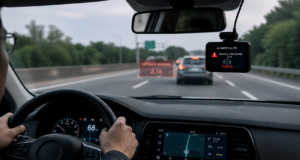
Modern vehicles increasingly include advanced driver assistance systems (ADAS), including:
- Automatic emergency braking
- Lane departure warnings
- Adaptive cruise control
- Blind spot monitoring
These technologies create additional sources of vehicle information that may help explain accident circumstances.
As discussed in our article about semi-autonomous driving safety risks, understanding vehicle technology is becoming increasingly important after crashes.
The Future of Vehicle Crash Data
Vehicle data collection is expected to continue expanding as cars become more connected. Future vehicles may provide even more detailed information about driving conditions, vehicle responses, and safety system performance.
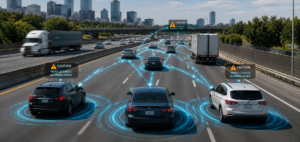
Connected vehicle technology may allow vehicles to communicate with each other and infrastructure systems. This could create additional sources of information during accident investigations.
The U.S. Department of Transportation continues researching connected transportation systems designed to improve roadway safety.
What Drivers Should Know About Vehicle Data
Drivers should understand that modern vehicles store information that may become relevant after a collision.
Important considerations include:
- Vehicle data may provide additional accident details
- EDR information does not replace other evidence
- Modern safety systems create more digital records
- Technology is changing how crashes are analyzed
Conclusion
Event Data Recorders are transforming car accident investigations by providing detailed information about vehicle activity before collisions. As vehicles continue becoming more connected and technologically advanced, electronic crash data may play an increasingly important role in understanding accidents.
While EDR information is not the only factor used in investigations, it provides valuable insight that can help explain how crashes occur. Understanding this technology allows drivers to better recognize the role of digital evidence in modern accident cases.