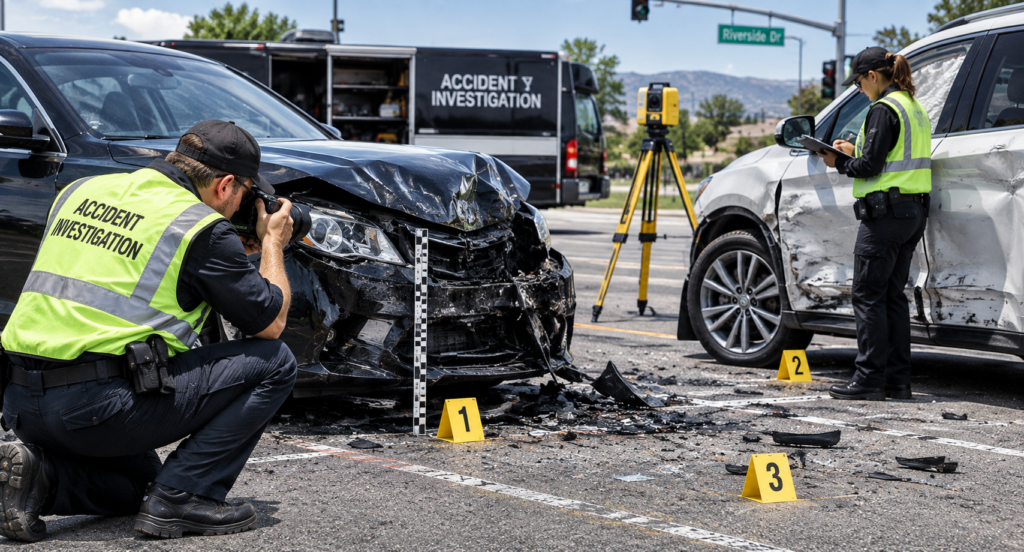
Car accident reconstruction is a detailed process used to understand how a collision happened. Investigators analyze physical evidence, vehicle damage, road conditions, witness information, and technology data to recreate the events before, during, and after a crash.
The goal of accident reconstruction is to provide a clearer understanding of factors such as vehicle movement, impact points, speed, driver actions, and roadway conditions. As vehicles become more advanced, investigators now use additional sources of information, including electronic vehicle data and digital simulations.
For more information about how technology affects accident investigations, read our article about event data recorders and car crash evidence.
What Is Car Accident Reconstruction?
Car accident reconstruction is a scientific analysis of a collision using available evidence to determine what occurred. Reconstruction specialists use physics, engineering principles, and investigative techniques to study crashes.
Unlike a simple accident report that describes what happened at the scene, reconstruction focuses on explaining the sequence of events. Investigators may examine vehicle speeds, directions of travel, braking patterns, and collision forces.
According to the National Highway Traffic Safety Administration (NHTSA), understanding crash factors helps improve vehicle safety research and reduce future collisions.
Steps Involved in Car Accident Reconstruction
1. Collecting Evidence From the Crash Scene
The first step in accident reconstruction involves gathering evidence from the collision location. Investigators document the scene through photographs, measurements, videos, and written observations.
Important evidence may include:
- Vehicle positions after impact
- Road markings and skid marks
- Debris locations
- Traffic signs and signals
- Road surface conditions
- Weather and visibility conditions
Accurate documentation helps create a reliable reconstruction of the crash.
2. Examining Vehicle Damage
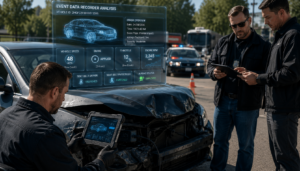
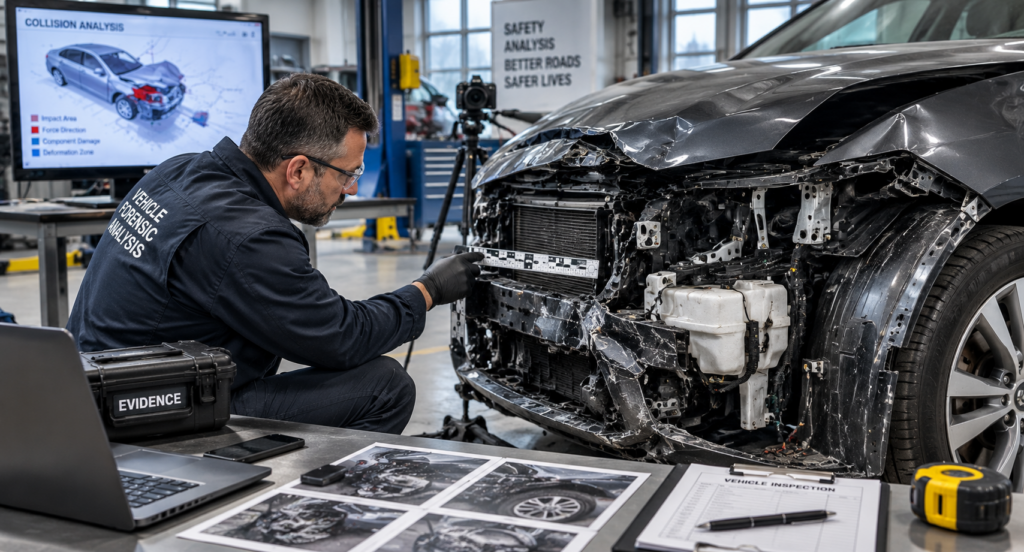
Vehicle damage provides important information about how two vehicles interacted during a collision. Investigators examine dents, impact points, broken components, and deformation patterns.
The location and severity of damage may help determine:
- The direction of impact
- The angle of collision
- The force involved
- The movement of vehicles after impact
3. Reviewing Electronic Vehicle Data
Modern vehicles contain computer systems that record information related to vehicle operation. Event Data Recorders may capture information such as braking activity, vehicle speed, and airbag deployment.
This information can provide additional details about the moments before a crash.
The NHTSA Electronic Data Recorder information explains how vehicle data systems are used to support crash research and analysis.
4. Analyzing Road Conditions
Road conditions can influence how an accident occurs. Reconstruction specialists examine factors such as pavement quality, lane design, visibility, and roadway hazards.
Factors that may be considered include:
- Wet or slippery surfaces
- Poor lighting
- Construction areas
- Traffic patterns
- Road design
5. Creating Computer Simulations
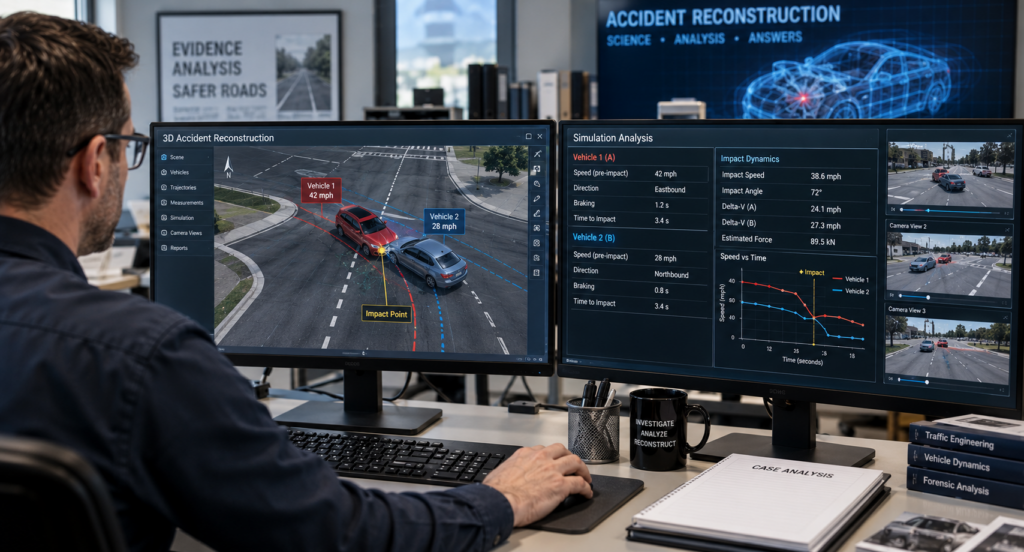
Technology has changed how accident reconstruction is performed. Investigators often use specialized software to create digital models of crashes.
Computer simulations can show:
- Vehicle travel paths
- Impact locations
- Estimated speeds
- Driver reaction timing
- Collision sequence
What Evidence Is Used in Accident Reconstruction?
Accident reconstruction relies on multiple sources of information. No single piece of evidence usually explains an entire collision.
Common evidence includes:
- Police reports
- Vehicle inspection records
- Photographs and videos
- Witness statements
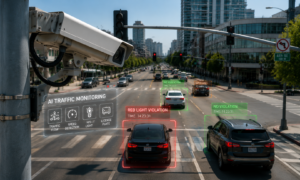
- Surveillance footage
- Vehicle computer data
- Roadway measurements
Organizations such as the Insurance Institute for Highway Safety study crash factors and vehicle safety features to better understand collision risks.
How Accident Reconstruction Determines Speed
Speed analysis is one of the most common parts of accident reconstruction. Investigators may estimate speed using several methods, including skid marks, vehicle damage, roadway evidence, and electronic vehicle data.
Physics calculations help determine how quickly vehicles were traveling before impact. However, speed estimates depend on the quality and availability of evidence.
Other factors, such as braking distance and road conditions, may also affect calculations.
How Accident Reconstruction Helps Explain Fault
Accident reconstruction can provide insight into how a crash occurred. It may help explain whether factors such as speeding, improper turns, sudden braking, or roadway conditions contributed to the collision.
However, reconstruction is only one part of a complete accident investigation. Investigators may also consider traffic laws, driver statements, and other available evidence.
If you want to learn more about accident responsibility, read our guide on how fault is determined after a car accident.
The Role of Technology in Modern Accident Reconstruction
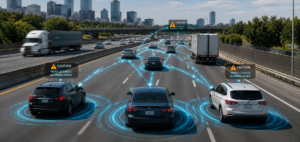
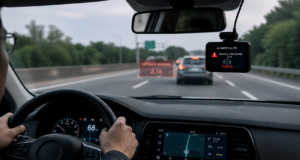
New technology continues improving accident investigations. Artificial intelligence, advanced vehicle sensors, dashcams, and connected vehicle systems provide additional information that was unavailable in the past.
For example, AI-powered tools may help organize crash footage, identify vehicle movements, and create detailed accident models.
Our article about AI dashcams and accident evidence explains how digital recordings are becoming more common after collisions.
Challenges in Accident Reconstruction
Although reconstruction can provide valuable information, investigators may face challenges.
- Limited physical evidence
- Conflicting witness statements
- Severe vehicle damage
- Missing surveillance footage
- Changing road conditions
Because every collision is different, investigators must carefully evaluate available evidence before reaching conclusions.
Who Performs Car Accident Reconstruction?
Accident reconstruction may be performed by trained investigators, engineers, law enforcement specialists, and forensic professionals.
These professionals typically have knowledge of:
- Vehicle engineering
- Crash physics
- Traffic safety
- Computer modeling
- Data analysis
Conclusion
Car accident reconstruction combines science, technology, and investigation techniques to understand how collisions happen. By analyzing vehicle damage, roadway evidence, electronic data, and digital simulations, reconstruction specialists can create a clearer picture of crash events.
As vehicles continue becoming more advanced, accident reconstruction will continue evolving. New technology provides investigators with additional tools to analyze collisions and better understand the factors involved in roadway incidents.