A wrong-way driver on a highway can create a dangerous situation in seconds. Two vehicles approaching each other at highway speeds may have little time to react, and a head-on collision can be devastating. In 2026, transportation agencies are expanding wrong-way driving detection systems to stop these incidents before they escalate.
These systems combine cameras, radar or other sensors with flashing warning signs and real-time notifications to traffic operators. They do not drive the vehicle or physically block a ramp. Instead, they recognize suspicious movement and provide an urgent opportunity for the driver to correct course.
Here is how wrong-way driving detection systems work, what new programs are showing, and how motorists can respond safely to a wrong-way warning.
What Are Wrong-Way Driving Detection Systems?
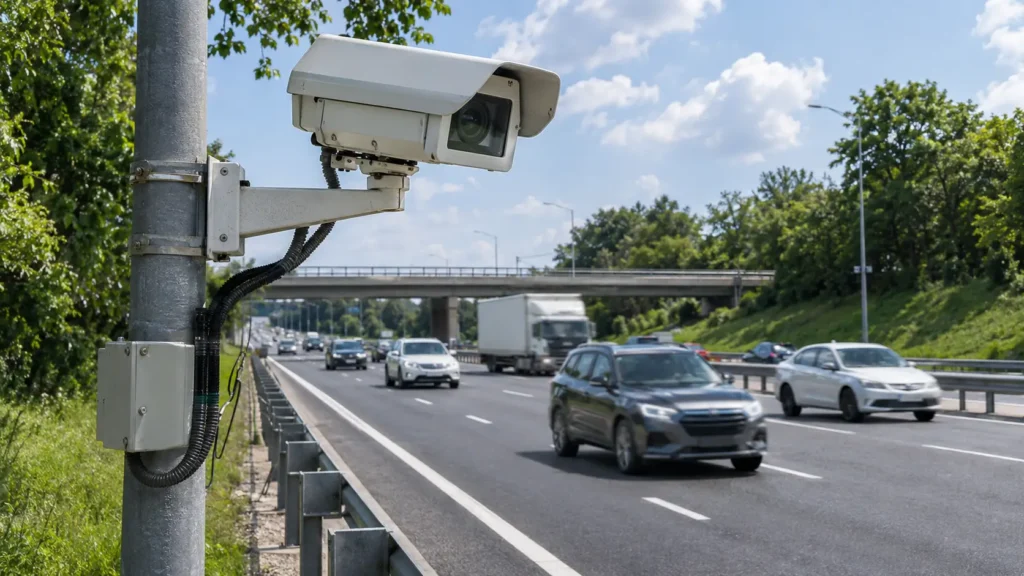
Wrong-way driving detection systems are roadside technologies designed to recognize vehicles traveling against the permitted traffic direction. Many are installed near freeway exit ramps, where a confused driver might enter a high-speed road through the wrong opening.
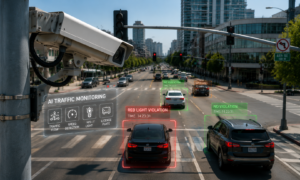
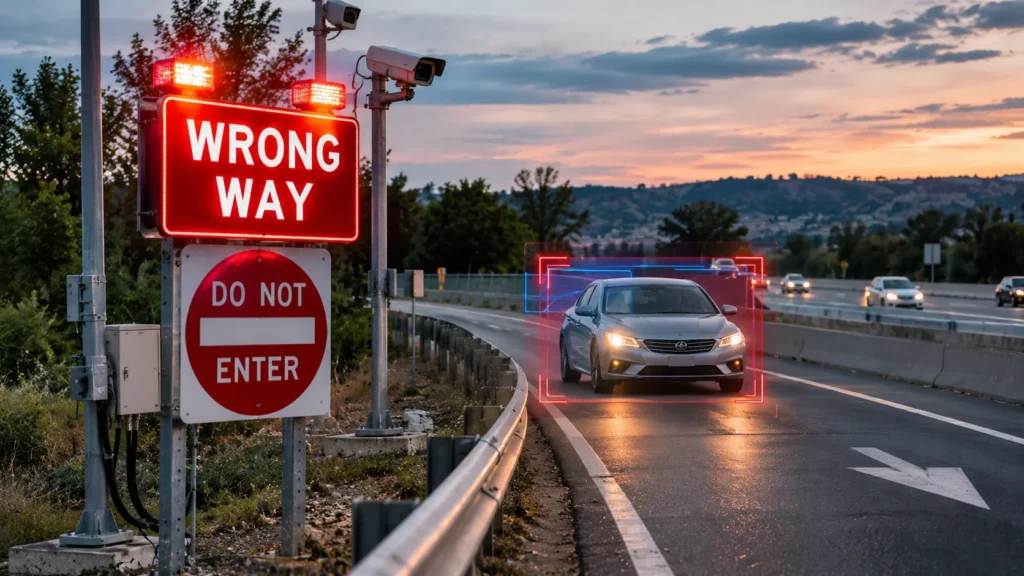
A typical installation watches a defined part of a ramp. When a vehicle crosses a detection zone in the wrong direction, the system may activate bright red lights around WRONG WAY signs. It can also transmit an alert to a highway operations center or law enforcement agency.
The Connecticut Department of Transportation’s program map describes its use of video cameras, flashing signs, and notifications to highway operators and state police. Similar systems use different equipment and configurations depending on the roadway.
Why Wrong-Way Crashes Are So Dangerous
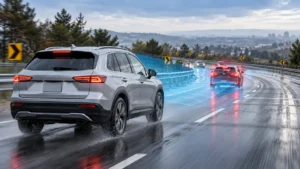
Most wrong-way incidents do not become collisions. Nevertheless, the risk is unusually serious when a driver reaches an active highway lane. Unlike a rear-end crash, an opposing vehicle may approach head-on while both vehicles are moving rapidly.
A National Transportation Safety Board investigation examined a 2021 Texas interstate collision in which a wrong-way service truck struck a motorcoach nearly head-on. Three people died, and dozens of bus passengers sustained injuries. That case illustrates the potential severity, not the likelihood of every wrong-way event.
Drivers may make wrong turns because of confusing interchange layouts, poor visibility, fatigue, impairment or inattention. Roads with closely spaced entrance and exit ramps can be especially difficult to interpret at night. Prevention therefore requires both clear road design and prompt warnings.
How Wrong-Way Driving Detection Works
1. Cameras and Sensors Identify Unusual Movement
Video cameras can track a vehicle’s movement through a ramp and compare its direction with the permitted traffic flow. Some installations use radar or other sensors to recognize vehicles crossing a defined boundary. The equipment must distinguish genuine wrong-way entries from routine movement nearby.
The Nevada Department of Transportation describes a pilot system using radar and closed-circuit cameras to trigger warning signals when a motorist travels against ramp traffic.
2. Flashing Signs Warn the Driver
Once detection is confirmed, high-visibility lights can flash around a WRONG WAY sign. The warning is intended to catch the driver’s attention before the vehicle continues onto the main roadway. Static DO NOT ENTER signs, arrows and reflective markings provide another layer of protection.
These measures complement conventional driver awareness. Our guide on distracted driving risks explains why attention matters even when roads include advanced warning technology.
3. Traffic Operators and Police Receive Alerts
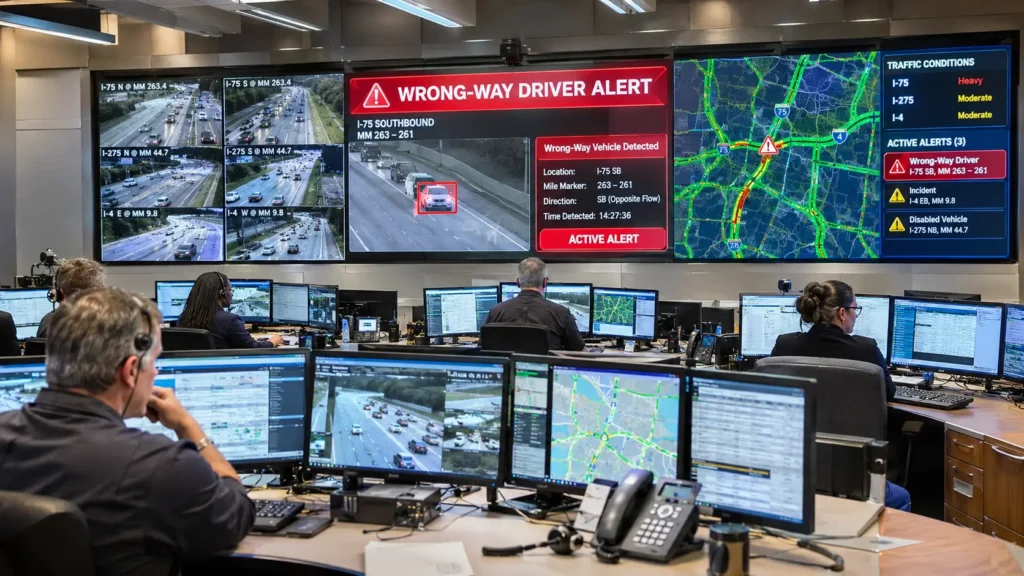
Some systems send a notification to the transportation agency’s control center and nearby police. Operators may inspect available camera views and coordinate a response if the vehicle does not turn around. Where supported, other signs or traveler-information services may warn approaching motorists.
Detection is not a guarantee of interception. A driver may pass the equipment, and officials still need time to assess the situation. The main aim is to encourage correction as early as possible.
What’s New in Wrong-Way Prevention in 2026?
Connecticut Reaches 300 Detection Sites
On September 10, 2026, Connecticut announced activation of its 300th wrong-way driver detection system. The agency reported that more than 1,000 motorists had triggered its systems and successfully turned around since the program began in December 2023.
That is a useful operational measure, although it should not be interpreted as 1,000 crashes prevented. Some drivers may have corrected their course without a collision even if the system had not activated. The result does show that alerts can reach drivers before they enter the highway.
Central Florida Expands Ramp Coverage
In August 2026, the Central Florida Expressway Authority announced detection coverage at all 102 eligible off-ramps on its 125-mile expressway network, excluding ramps within active construction zones. The authority reported more than 2,500 drivers turning around over the previous decade and a documented turnaround rate of 88.6% for January 2016 through June 2026.
Florida also tested internally illuminated raised pavement markers, which were associated with earlier nighttime turnarounds at studied locations. The findings support combining signs with clear visual cues on the roadway.
Massachusetts Plans Additional Installations
The Massachusetts wrong-way driving program describes planned warning systems, ramp-marking improvements, additional highway signs and pilot equipment at high-risk locations. This layered approach recognizes that technology alone cannot correct every hazardous roadway decision.
Can Artificial Intelligence Improve Detection?
Research is investigating how video-analysis software can recognize wrong-way vehicles more reliably despite camera movement, temporary obstructions and difficult viewing angles.
A study published in Frontiers in Future Transportation in October 2026 tested a detection framework using highway surveillance video. The researchers reported strong classification results on their evaluation dataset, including improved handling of some false alarms. However, the authors also called for broader testing across regions, weather conditions and equipment.
Research performance should not be confused with the proven effectiveness of every installed roadside system. Cameras may lose visibility in snow or heavy rain, while software can still misclassify unusual situations. Regular maintenance and human oversight remain important.
How Connected Vehicles Could Add Another Warning
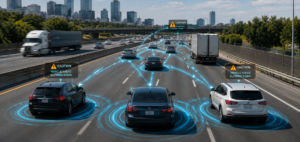
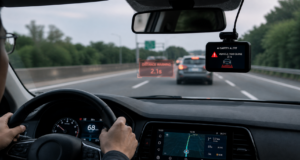
Future alerts may reach vehicles directly rather than relying only on roadside signs. Connected road infrastructure could notify compatible vehicles about an approaching wrong-way driver, providing additional time to slow down or move out of danger.
That possibility links to our article on vehicle-to-vehicle communication and crash prevention. However, widespread deployment, compatibility and reliability remain challenges. These approaches should be viewed as complementary tools, not an established universal protection system.
What Should You Do if You See a Wrong-Way Driver?
Recognizing the hazard early is essential. If a vehicle appears to be coming toward you in your lane or on your side of a divided highway:
- Reduce speed smoothly. Create time to assess the vehicle’s path without making abrupt movements that could cause another crash.
- Move away when safe. Change lanes or reach a safe shoulder only after checking nearby traffic and roadway conditions.
- Avoid a confrontation. Never try to stop, chase or physically redirect the wrong-way driver.
- Alert emergency services from safety. Once stopped in a secure location, report the road, travel direction and approximate location to 911.
- Follow official warnings. Obey traffic-control messages and emergency instructions rather than attempting to investigate the incident yourself.
If you realize you entered an exit ramp in the wrong direction, stop before reaching highway traffic if you can do so safely. Do not continue against traffic or attempt a hazardous U-turn on an active freeway. Use hazard lights and seek guidance from emergency services.
What if a Wrong-Way Crash Happens?
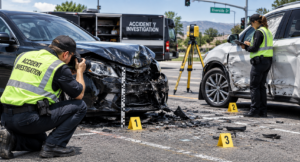
After any serious collision, request emergency medical assistance as needed and prioritize avoiding a secondary crash. When it is safe, document the vehicles, signs, weather, road markings and witness information.
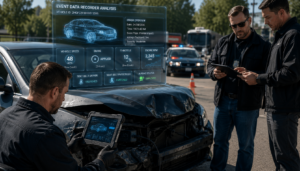
Roadside cameras may have recorded relevant activity, but recordings can be limited and may not be available indefinitely. Police reports, vehicle data and physical evidence can also help establish the sequence of events. Our article on how car accident reconstruction works explains the different types of evidence investigators examine.
The Limits of Wrong-Way Detection Technology
Even a well-designed network has limitations. Some wrong-way movements start away from equipped ramps. Detection systems can suffer from power interruptions, sensor obstruction or communication failures. A driver may also ignore the flashing warning or be unable to respond appropriately.
That is why transportation agencies pair electronic alerts with road markings, improved lighting, signs and better interchange geometry. Meanwhile, motorists still need to remain sober, attentive and prepared for unpredictable traffic. Routine vehicle care also matters when emergency steering or braking becomes necessary; see our guide to car maintenance and road safety.
Final Thoughts
Wrong-way driving detection systems are an important 2026 road-safety development because they target a dangerous mistake before it becomes a high-speed crash. Connecticut and Central Florida are providing real-world information about detected events and driver turnarounds, while researchers continue improving camera-based systems.
No device can eliminate wrong-way driving. The strongest approach combines clear ramps, timely warnings, responsive transportation agencies, and alert drivers. Knowing what these systems do, and how to react when danger appears, can help motorists make safer decisions on the highway.